
Scroll down to schedule an inspection online or click below to call.
Favorable Conditions For Termite Infestations:
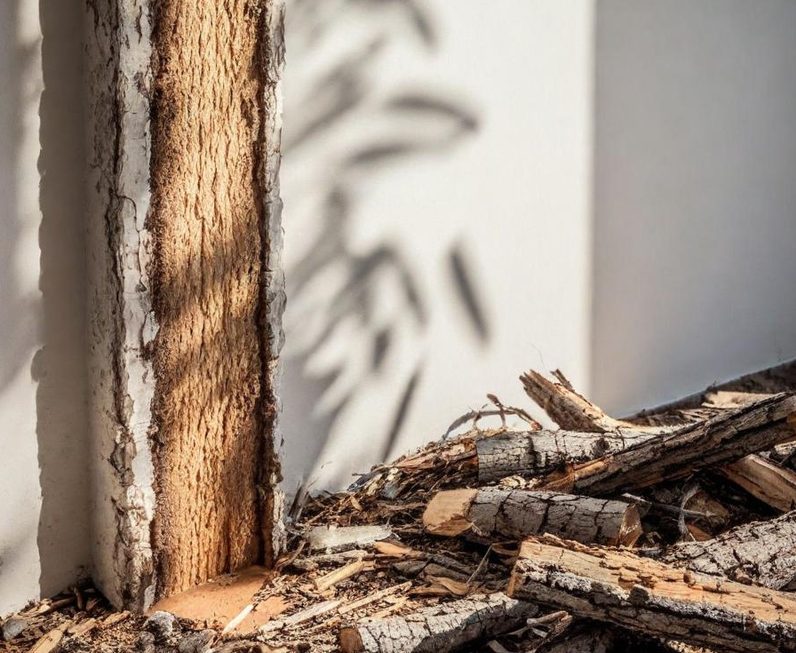
Wood-to-Soil Contact:
One Of The Biggest Termite Risk Factors.
Examples of wood-to-soil contact:
- Wood siding touching the soil
- Deck posts embedded directly into soil
- Fence posts attached to the structure
- Wooden lattice touching dirt
- Mulch piled too high against siding
- Door frames below grade
- Steps or stair stringers contacting soil
- Trellises connected to the house
Moisture Issues
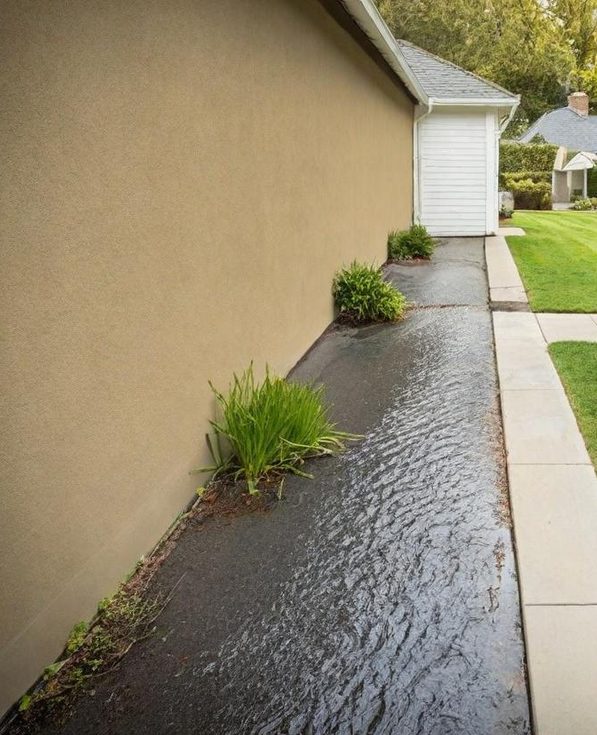
Termites Thrive In Damp Environments.
Common moisture conditions:
- Leaking hose bibs or outdoor faucets
- Poor drainage around the foundation
- Gutters overflowing next to the house
- Downspouts discharging near the foundation
- Standing water or low spots near the structure
- Crawlspace humidity or condensation
- Plumbing leaks
- Roof leaks
- Poor attic ventilation creating moisture buildup
- AC condensation lines draining improperly
Landscaping Conditions:
Landscaping Can Unintentionally Create Termite-Friendly Environments.
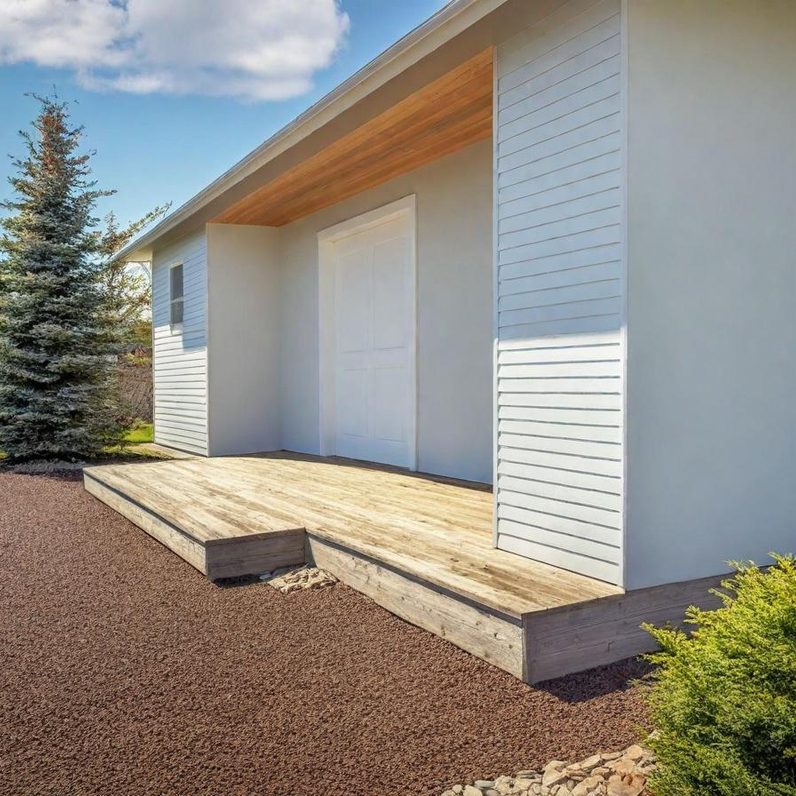
Higher-risk landscaping:
- Dense vegetation trapping moisture
- Shrubs touching the home
- Mulch thicker than 2–3 inches
- Railroad ties near the foundation
- Tree branches shading and retaining moisture
- Poor grading toward the structure
- Deck posts buried directly in soil
- Wooden siding touching soil
- Fence posts attached to structure
- Door frames or trim below grade
- Wood lattice touching the ground
Structural & Foundation Issues:
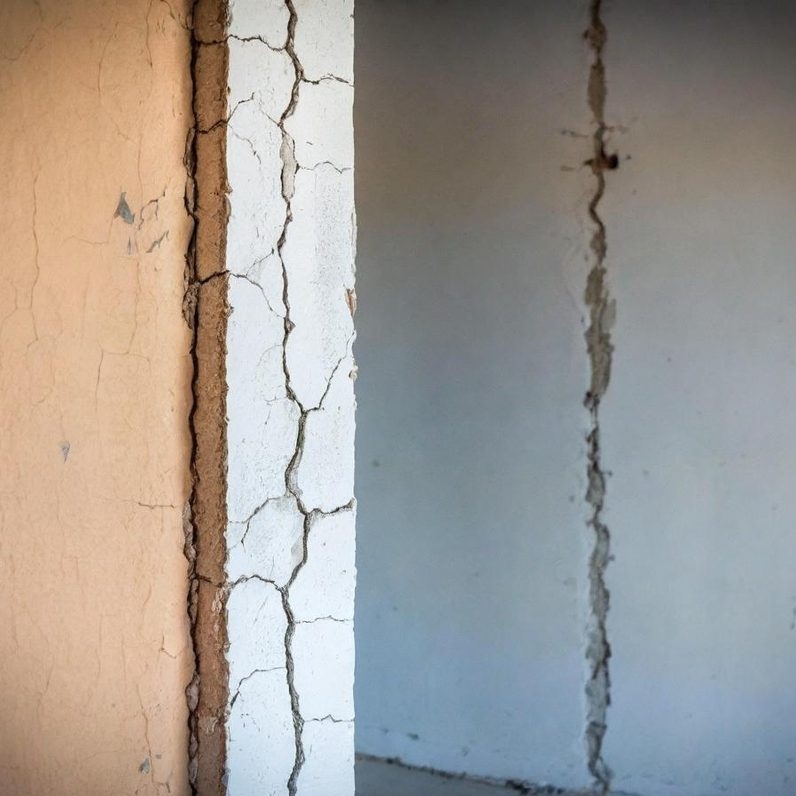
Certain Construction Defects Create Hidden Termite Entry Points.
Common examples:
- Cracks in slab foundations
- Expansion joints
- Gaps around plumbing penetrations
- Foam insulation below grade
- Earth-filled porches
- Stucco extending below grade
- Siding installed too close to soil
- Hidden crawlspace access areas
- Soil that retains moisture (clay-heavy soil common in Midwest)
- Warm temperatures (ideal for termite growth)
- Seasonal moisture swings (spring rains)
- Irrigation systems hitting foundation regularly
Easy Prevention Tips for Homeowners:
Prevention Is Cheaper Than Repairs Everytime:
- Schedule annual termite inspections
- Consider proactive termite protection before activity occurs
- Seal cracks and crevices around the foundation
- Replace water damaged or rotting wood
- Keep mulch 6–12 inches away from the foundation, or use sinthetic mulch or rocks
- Maintain at least 6 inches between soil and siding
- Fix leaks immediately
- Keep all plants and shrubs atleast 1 foot from foundation or walls
- Improve drainage around the home
- Have a professional check the humidity levels in the attic or crawlspaces
- Store firewood away from the structure