
Signs of Possible Termite Activity
Visual / Obvious Signs:
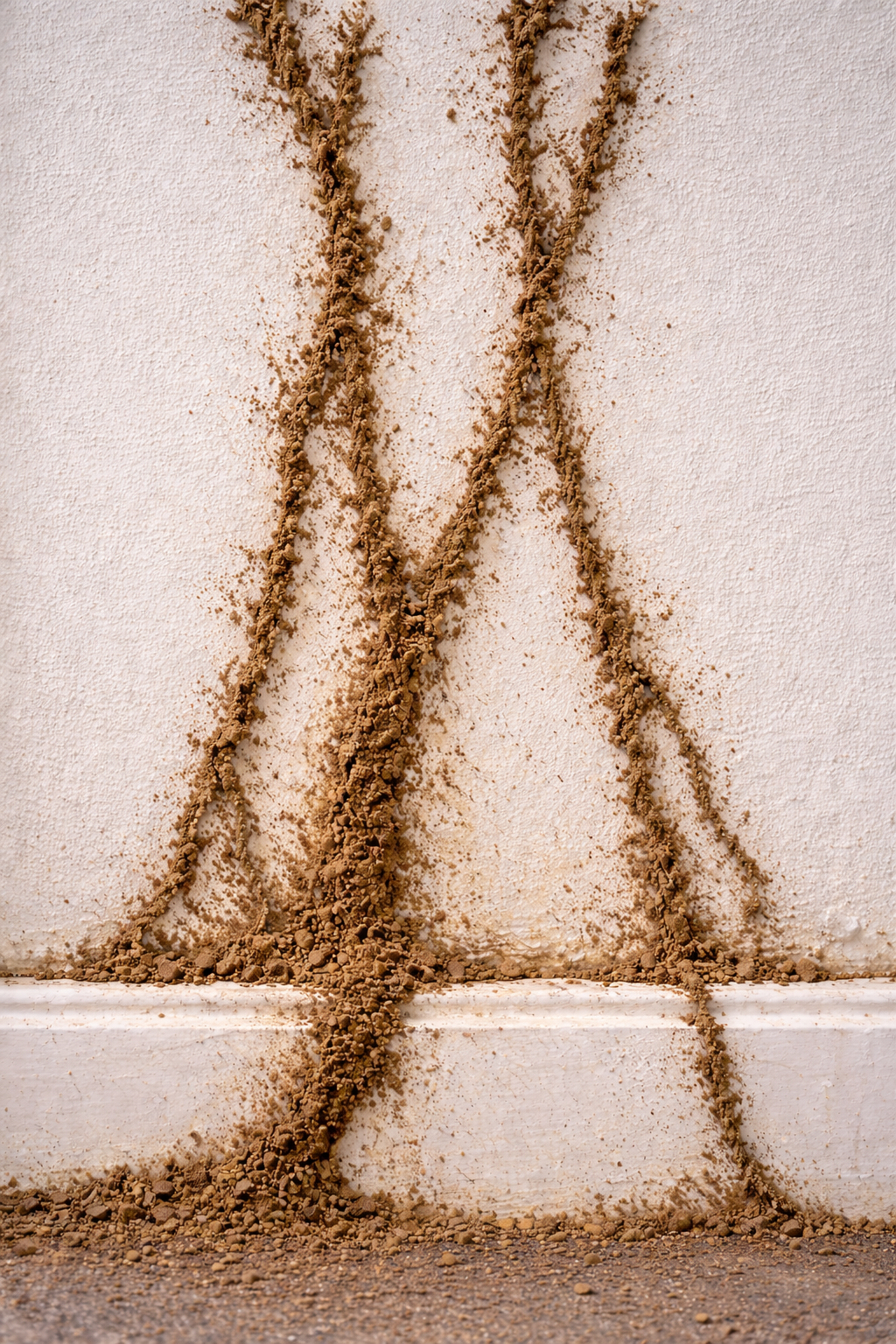
- Mud tubes (shelter tubes)
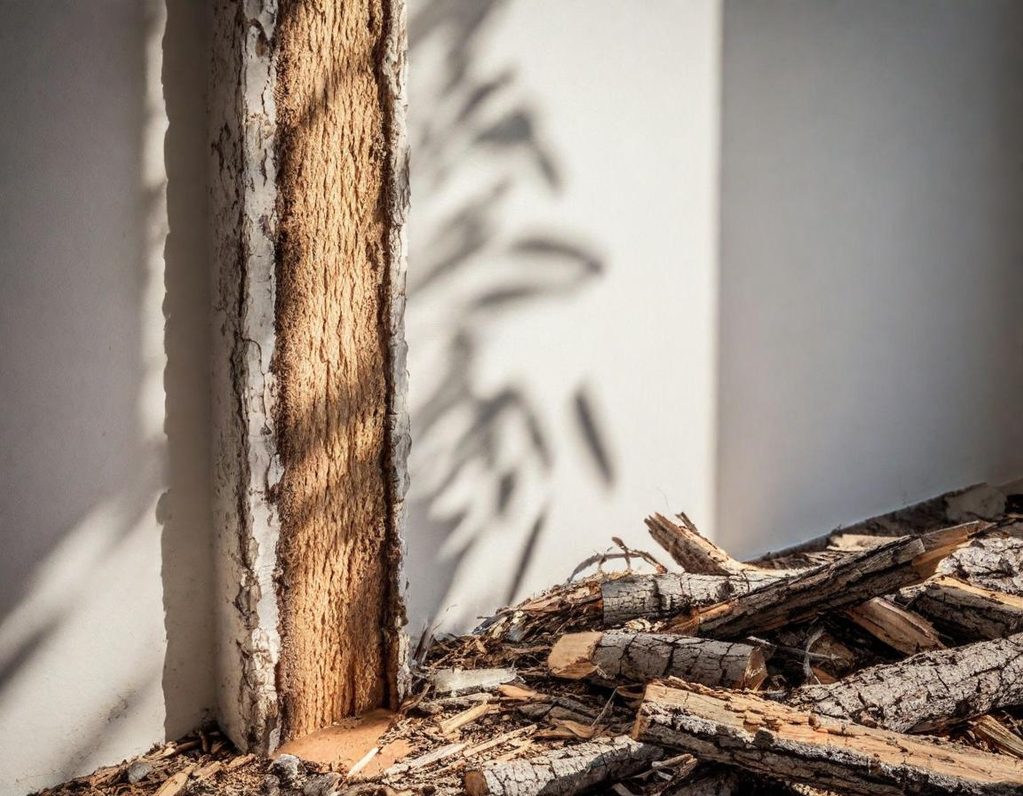
Pencil-width tunnels on foundation walls, joists, crawl spaces, or basement walls - Damaged or hollow-sounding wood
Wood sounds thin or papery when tapped - Blistering or bubbling paint
Often mistaken for water damage - Discarded wings
Found near windows, doors, or light sources after a swarm - Live swarmers (flying termites)
Usually seen in spring in the Midwest (including Nebraska/Iowa region) - Frass (termite droppings)(more common with drywood termites)
Small pellet piles that look like sawdust or coffee grounds - Tight-fitting doors or windows
Caused by moisture buildup from termite activity - Buckling or sagging floors/ceilings
Structural weakening from internal damage - Maze-like patterns in wood
Galleries inside wood (subterranean termites pack with mud)
Subtle/ Hidden Signs (Often Missed):
- Pinholes in drywall or wood
- Faint clicking sounds in walls (soldiers tapping or workers chewing)
- Uneven or rippling wallpaper
- Hairline cracks in drywall near wood structures
- Soft spots in flooring
- Baseboards that crumble easily
- Slight dirt lines inside cracks or seams
- Increased insect activity around lights (during swarm season)
Advanced / Severe Infestation Indicators:
- Structural wood collapses when probed
- Visible interior mud packing inside walls
- Extensive tunneling in support beams
- Noticeable sagging rooflines or floors
- Repeated swarm events year after year
Conditions That Promote Termite Activity
Moisture Issues (Top Risk Factor):
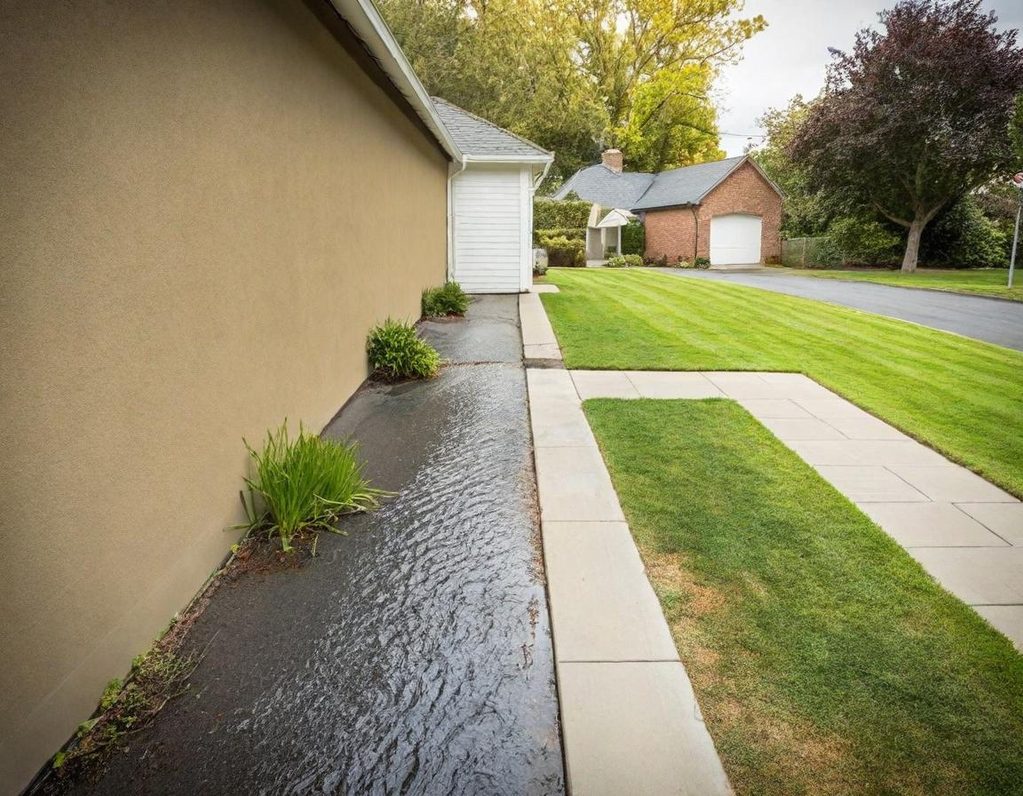
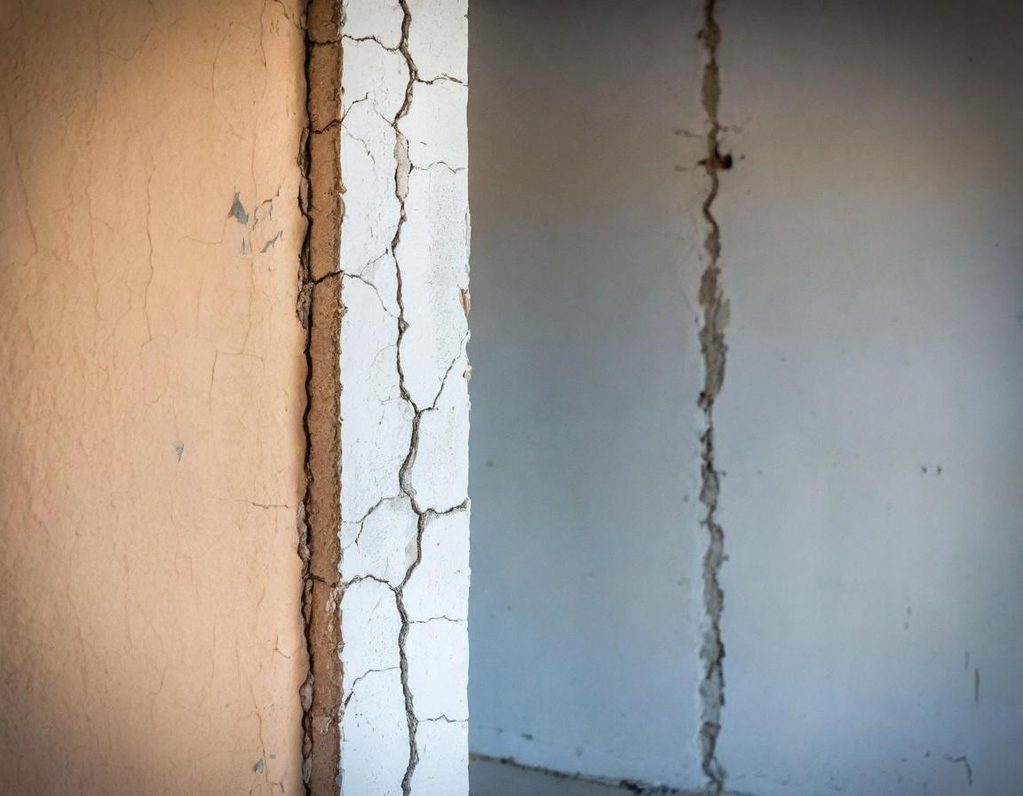
- Poor drainage around foundation
- Clogged or leaking gutters/downspouts
- Standing water near home
- Leaking pipes (interior or exterior)
- Crawl spaces with high humidity
- Poor ventilation (especially attics & crawlspaces)
- AC condensation lines draining near foundation
- Sump pump discharge too close to house
Wood-to-Ground Contact (Major Risk Factors):
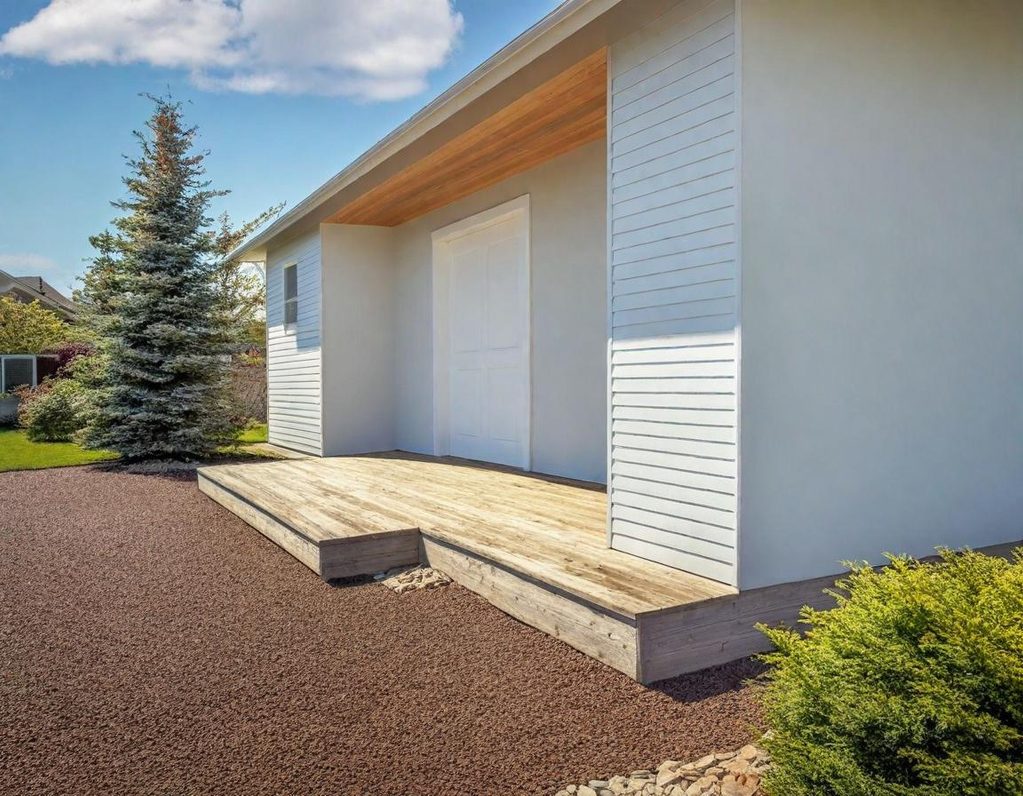
- Deck posts buried directly in soil
- Wooden siding touching soil
- Fence posts attached to structure
- Door frames or trim below grade
- Wood lattice touching the ground
Landscaping & Exterior Risk Factors:
- Mulch piled high against foundation
- Tree stumps or buried wood near home
- Firewood stacked against the house
- Dense vegetation trapping moisture near foundation
- Landscaping that slopes toward the home
- Railroad ties or untreated wood used in landscaping
Structural / Construction Risk Factors:
- Cracks in foundation (it only takes 1/64 of an inch)
- Expansion joints not sealed
- Gaps around utility penetrations
- Poorly sealed crawlspace or basement
- Foam board insulation below grade (hidden access point)
- Slab construction with hidden entry points
- Additions built over old termite-damaged wood
Soil & Enviromental Factors:
- Soil that retains moisture (clay-heavy soil common in Midwest)
- Warm temperatures (ideal for termite growth)
- Seasonal moisture swings (spring rains)
- Irrigation systems hitting foundation regularly
Interior Risk Factors:
- Stored cardboard boxes (cellulose source)
- Untreated wood in basements/crawlspaces
- Hardwood floors over slab without vapor barrier
- Previous termite damage that wasn’t properly treated
- Poor subfloor ventilation
Historical / Behavioral Risk Factors:
- No previous termite inspection history
- Lapse in termite monitoring or bait systems
- Neighboring homes with termite activity
- Older homes (20+ years without protection)
- DIY treatments that didn’t eliminate the colony